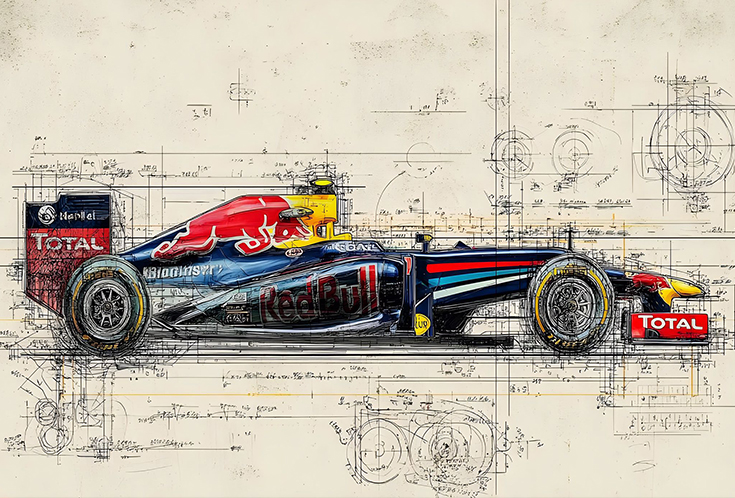
Discover the complete history of racing cars, from the first races in the 19th century to modern Formula 1 and electric motorsport. Learn how racing shaped today’s automotive technology.
Introduction
Racing cars have always been more than just machines—they represent the passion, innovation, and competitive spirit of automotive history. From the earliest races on dusty roads to today’s Formula 1 circuits and endurance championships, the evolution of racing cars tells the story of technology, engineering, and the love of speed.
Early Beginnings of Car Racing
The history of racing cars dates back to the late 19th century, shortly after the invention of the automobile. The first organized car race was held in France in 1894, covering a route from Paris to Rouen. These cars were basic, slow by today’s standards, but they marked the beginning of motorsport as we know it.
By the early 1900s, events like the Gordon Bennett Cup and the Indianapolis 500 (1911) set the stage for endurance and speed racing. Manufacturers such as Mercedes-Benz, Peugeot, and Fiat used racing as a way to showcase engineering strength.
Golden Era of Racing Cars
The 1920s–1950s are often considered the golden age of racing. Legendary cars like the Mercedes Silver Arrows, Bugatti Type 35, and Ferrari 250 GTO dominated tracks. During this time:
- Racing cars began adopting aerodynamic designs.
- Engines became more powerful, introducing superchargers and V12 technology.
- Motorsport gained international popularity with Le Mans 24 Hours and Formula One’s launch in 1950.
Formula 1 and the Rise of Modern Motorsport
When Formula 1 was officially established in 1950, it revolutionized racing cars. Teams like Ferrari, McLaren, Williams, and Mercedes-AMG brought cutting-edge engineering to the track.
- 1960s–1980s: Introduction of carbon-fiber bodies, turbo engines, and slick tires.
- 1990s–2000s: Improved safety technology with crash structures and advanced helmets.
- Today: Cars can reach 0–100 km/h in under 2 seconds, powered by hybrid V6 turbo engines producing over 1000 horsepower.
Iconic Racing Car Innovations
Some of the most important innovations born from racing cars include:
- Disc brakes – first used in racing before becoming standard in road cars.
- Aerodynamics & spoilers – enhancing grip and stability.
- Lightweight materials – carbon fiber and aluminum revolutionized both racing and consumer cars.
Future of Racing Cars
The future of racing is already here with electric and hybrid race cars. Competitions like Formula E and hybrid Le Mans prototypes show how performance can meet sustainability. Brands such as Porsche, Mercedes-Benz, and Audi are investing heavily in EV motorsport.
Conclusion
The history of racing cars is a journey of passion, competition, and technological breakthroughs. From the first road races in Europe to the high-tech Formula 1 machines of today, racing cars continue to inspire automotive enthusiasts worldwide.
For car lovers and performance vehicle owners, remembering this history reminds us why speed and innovation will always drive the automotive industry forward.